

Short answer: You might be tying your self-worth to flawless performance if your sense of value rises and falls with tasks going perfectly. Many people feel proud after an excellent outcome and uneasy or ashamed after a perceived slip — noticing how often that happens is the first step.
Want a clearer picture?
Perfectionism is not simply caring about doing things well.
Take the Am I a Perfectionist? assessmentPerformance-Based Self-Worth
Signs worth noticing: do compliments about outcomes feel more meaningful than approval for who you are? Do you replay achievements to feel steady and feel smaller after setbacks? This dimension looks at how strongly your self-regard depends on achievement, productivity or doing things well, rather than on stable personal qualities.
Fear of Mistakes
What may be contributing: when mistakes trigger anxiety, avoidance or self-criticism, that fear can feed the need to be flawless. Notice whether the possibility of error affects your willingness to start tasks, speak up, or show work-in-progress. Fear of mistakes can make success feel conditional — earned only when nothing goes wrong.
Overchecking & Reassurance
How these patterns can differ: repeatedly reviewing, editing or asking for confirmation may be attempts to prevent judgment and protect self-worth. For some people overchecking is a short-term habit; for others it becomes a primary way they stay confident. Consider whether checking calms you temporarily but leaves you feeling dependent on external proof that you’re “good enough.”
Questions to consider
Are moments of pride stable or tied specifically to visible outcomes? Do small mistakes lead to a sharp drop in mood or identity doubts? When you have done well, do you still worry it wasn’t enough? These questions help you map where performance-based self-worth sits alongside high standards, fear of mistakes and checking behaviours.
Explore more in Self-Esteem.
See how this pattern applies to you
Perfectionism is not simply caring about doing things well.
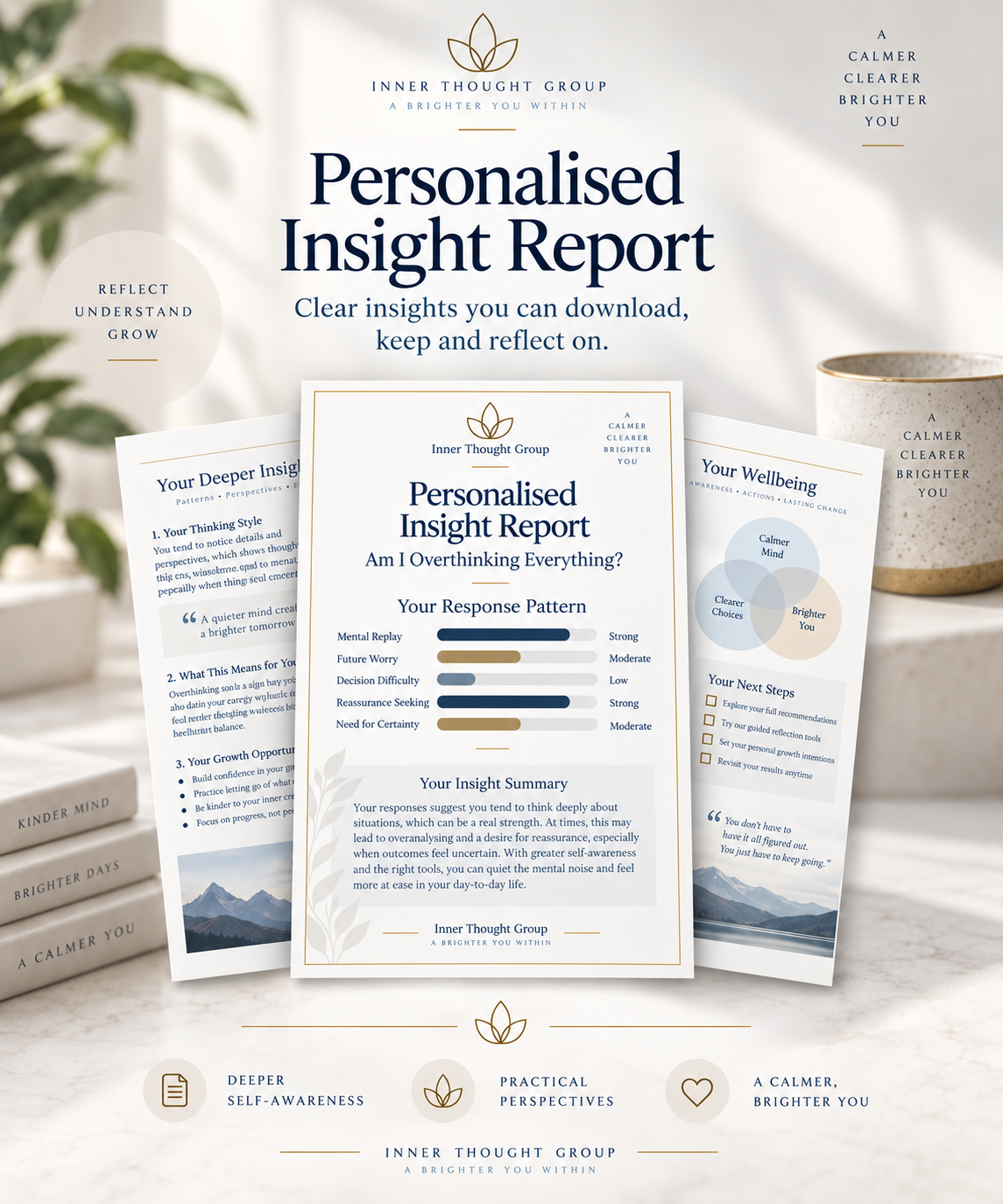 Take the Am I a Perfectionist? assessment
Reflection: noticing the pattern — how often your mood or inner voice shifts with results — can clarify whether this is an occasional response or a recurring part of how you value yourself. If this description resonates, exploring your responses in the assessment can help you see which specific patterns are most strongly present for you.