

What Is Hoarding Disorder?
Hoarding is not simply having a messy or cluttered home. The important distinction is often how difficult it is to let possessions go, how much continues to accumulate, and whether possessions are beginning to interfere with ordinary life.
Understanding the difference between ordinary clutter, collecting and persistent difficulty discarding possessions can help you look at the pattern more clearly.
This page is for education and self-reflection. It cannot diagnose Hoarding Disorder. A formal diagnosis can only be made by an appropriately qualified healthcare professional.
What is Hoarding Disorder?
Hoarding Disorder is a recognised mental-health condition involving persistent difficulty discarding or parting with possessions, regardless of their actual value.
The difficulty is not simply about being untidy. A person may feel a strong need to save items and experience significant distress at the thought of throwing them away.
Over time, possessions may accumulate to the point where living areas become difficult to use for their intended purpose.
What are the main signs?
Hoarding can look different from one person to another, but common patterns may include:
- persistent difficulty throwing possessions away
- feeling that items may be needed in the future
- strong emotional attachment to possessions
- distress or anxiety when attempting to discard things
- accumulation of possessions that congest living areas
- buying, collecting or acquiring more items than there is space for
- avoiding visitors because of embarrassment about the home
- arguments with family members about possessions or clutter
- rooms becoming difficult to use normally
One sign on its own does not establish that somebody has Hoarding Disorder. What matters is the broader pattern and the effect it is having on everyday life.
Is your clutter becoming a problem?
Reading a list of common signs can only tell you so much. Our Is My Clutter Becoming a Problem? assessment looks at your own responses across areas such as difficulty discarding, accumulation, use of living space and the effect possessions may be having on everyday life.
Hoarding is not the same as collecting
Many people enjoy collecting objects. A collection is usually organised around a particular interest and is often displayed, catalogued or cared for deliberately.
Hoarding is different when accumulation becomes difficult to control and possessions begin to interfere with the normal use of the home.
The issue is therefore not simply how many possessions someone owns. A large, organised collection may cause little difficulty, while a smaller amount of disorganised accumulation may seriously affect how a room can be used.
Why can throwing things away feel so difficult?
Difficulty discarding possessions is one of the central features associated with hoarding.
An object that seems unimportant to somebody else may feel valuable, useful or emotionally significant to the person who owns it.
Common thoughts can include:
- “I might need this one day.”
- “It would be wasteful to throw this away.”
- “This reminds me of an important time in my life.”
- “Someone else could use this.”
- “I need to decide properly before I get rid of it.”
The difficulty may therefore be less about recognising that clutter exists and more about the emotional and mental process involved in deciding what should leave.
What about continually bringing more things home?
Some people who struggle with hoarding also continually bring new possessions into the home.
This might involve shopping, collecting free items, accepting unwanted possessions from other people or finding it difficult to walk away from something that appears potentially useful.
When possessions enter the home faster than they are sorted, used or discarded, clutter can steadily increase.
How much is clutter interfering with daily life?
Visible clutter is only part of the picture. Another important question is how much possessions interfere with ordinary use of the home and everyday activities.
Can worktops and cooking areas still be used normally?
Can the bed be used comfortably for sleeping?
Can chairs, sofas and normal living areas still be used?
Can doors, exits and important areas be reached easily?
Are important possessions or documents frequently difficult to find?
Is clutter causing arguments, embarrassment or avoidance of visitors?
The effect on everyday functioning can provide important context when thinking about how significant a clutter problem may have become.
How is hoarding assessed?
Professionals may consider several different aspects of a person’s relationship with possessions rather than relying on one single observation.
Areas considered can include visible clutter, difficulty discarding, excessive acquisition, distress and the extent to which possessions interfere with ordinary living.
Visual clutter scales can be useful for considering how congested a room has become, but appearance alone cannot establish whether someone has Hoarding Disorder.
Can someone have clutter without having Hoarding Disorder?
Yes. A cluttered home does not automatically mean that somebody has Hoarding Disorder.
Clutter can develop for many different reasons, including changes in circumstances, moving home, family responsibilities, limited storage, falling behind with household organisation or possessions simply accumulating faster than they are dealt with.
That is why it is more useful to look at the overall pattern — including difficulty discarding, continued acquisition, use of space and impact on daily life — rather than applying a label based solely on the appearance of a home.
Is your clutter becoming a problem?
Articles can describe common patterns, but your own answers may show a different combination. The assessment helps you look at areas such as discarding, accumulation, living-space impact and how possessions may be affecting everyday life.
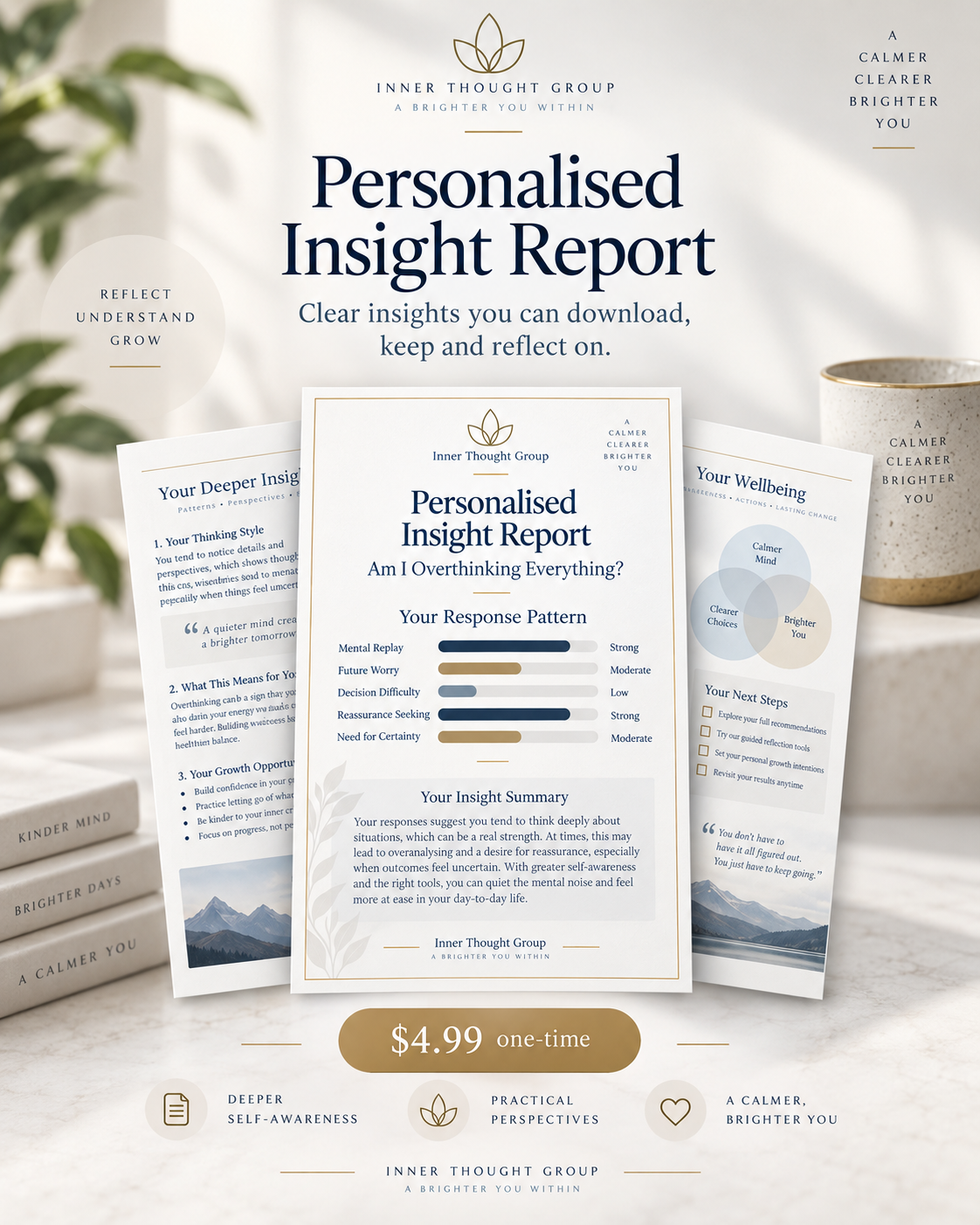
Take the “Is My Clutter Becoming a Problem?” Assessment
Complete the assessment free. If you choose to unlock your personalised report, you can download and print it for your own reflection.
When should someone consider seeking help?
It may be worth speaking to an appropriate healthcare professional when difficulty discarding or clutter is causing significant distress, seriously interfering with daily life or creating safety problems.
Immediate practical concerns such as blocked exits, unstable piles, inaccessible essential facilities or serious fire hazards should be treated as safety issues regardless of whether a formal diagnosis has been made.
Understanding the pattern can be more useful than applying a label
For many people, one useful starting point is simply recognising what is happening rather than trying to decide immediately whether a particular label applies.
Questions worth considering include:
- Why is it difficult for me to let possessions go?
- How much space is clutter occupying?
- Am I bringing more possessions into the home than I can manage?
- How much are my possessions affecting everyday life?
Those questions can provide a clearer picture of the pattern without trying to make a diagnosis from a webpage or questionnaire.